


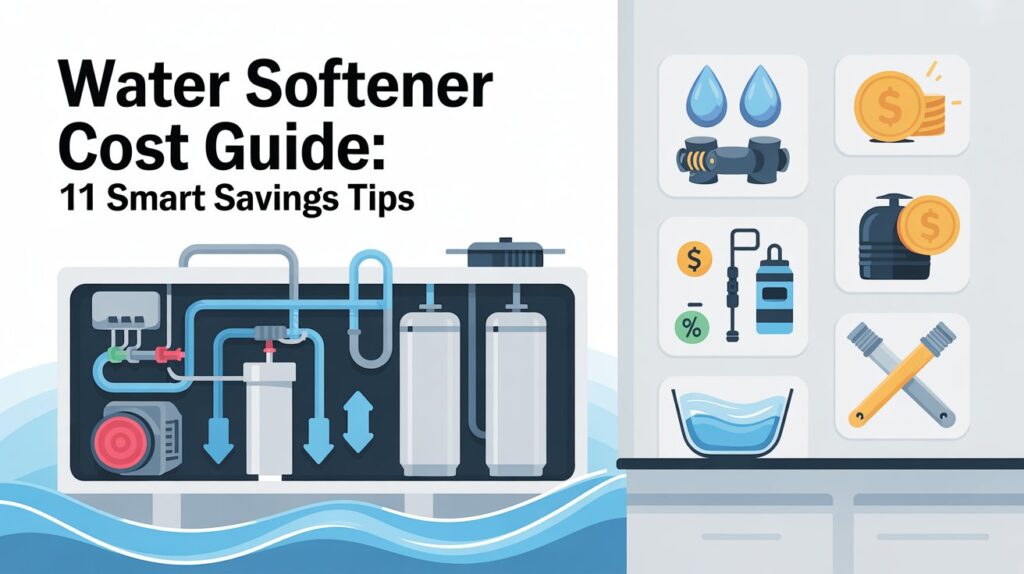
If you’re dealing with hard water, investing in a water softener cost can feel like a smart move—but understanding the true cost is where things get tricky. From upfront pricing to ongoing maintenance, there’s more to it than just buying a unit.
This guide explains everything in a clear, practical, and human-friendly way so you can make the right decision.
What is a Water Softener and Why Does It Matter?
A water softener is a system that removes minerals like calcium and magnesium from water. This process, often called Ion Exchange, helps prevent:
- Scale buildup in pipes
- Damage to appliances
- Dry skin and hair issues
In regions with hard water, installing one can be “a long-term money saver”.
Average Water Softener Cost
The cost varies depending on the type, size, and brand, but here’s a realistic breakdown:
1. Unit Cost
- Basic systems: $300 – $700
- Mid-range systems: $700 – $2,000
- High-end systems: $2,000 – $5,000+
Popular brands like Whirlpool and GE offer reliable options across different budgets.
Installation Cost
Installation can significantly impact your total expense.
Typical Installation Prices
- DIY installation: $0 – $200
- Professional installation: $300 – $1,000+
Factors affecting installation cost:
- Plumbing complexity
- Location of installation
- Labor charges in your area
Ongoing Maintenance Costs
Owning a water softener isn’t just a one-time expense.
Recurring Costs
- Salt refills: $5 – $30 per month
- Electricity: Minimal but present
- Maintenance/repairs: $100 – $300 annually
Regular maintenance ensures the system works efficiently and lasts longer.
Types of Water Softeners Costs
1. Salt-Based Systems
- Most common and effective
- Moderate upfront cost
- Requires regular salt refills
2. Salt-Free Systems
- Lower maintenance
- Slightly higher upfront cost
- Not as effective for very hard water
3. Dual-Tank Systems
- Continuous soft water supply
- Higher price but ideal for large households
Factors That Affect Water Softener Cost
Several elements influence the final price:
1. Water Hardness Level
Harder water requires more powerful systems.
2. Household Size
Larger families need bigger units.
3. Brand and Quality
Premium brands often cost more but last longer.
4. Installation Complexity
More complex setups increase labor costs.
Is a Water Softener Worth Cost?
For many households, the answer is yes.
Benefits That Offset Cost
- Longer lifespan for appliances
- Reduced plumbing repairs
- Better soap efficiency
- Improved skin and hair condition
Over time, these benefits can “outweigh the initial investment”.
Money-Saving Tips When Buying a Water Softener
1. Choose the Right Size
Avoid overspending on a system that’s too large.
2. Compare Brands
Look at trusted brands like Culligan for long-term reliability.
3. Consider DIY Installation
If you have basic plumbing skills, you can save significantly.
4. Look for Warranties
A good warranty can reduce future repair costs.
Common Mistakes to Avoid water softener cost
- Buying the cheapest option without research
- Ignoring maintenance costs
- Choosing the wrong system size
- Skipping professional advice when needed
These mistakes can lead to “unexpected expenses and poor performance”.
Conclusion About Water Softener Cost
Understanding water softener cost is essential before making a purchase. While the upfront investment may seem high, the long-term benefits—like reduced maintenance, better water quality, and extended appliance life—make it a worthwhile decision.
By carefully evaluating your needs and budget, you can choose a system that delivers maximum value without unnecessary spending.
Read More on Casa Blanca