


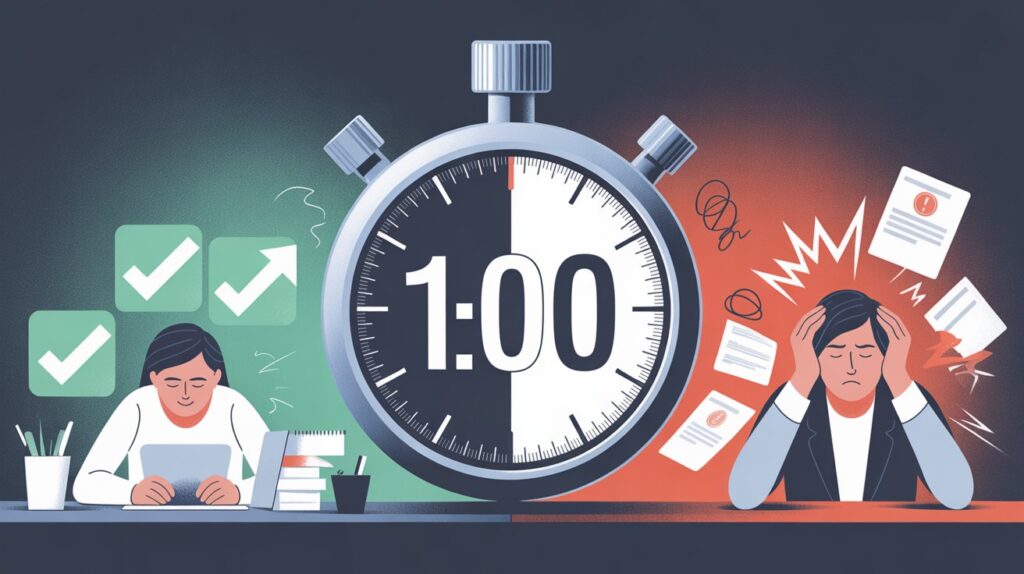
In today’s fast-paced world, even a single minute can feel incredibly valuable. The concept of a 1 minute timer has gained popularity as a simple yet powerful productivity tool. Whether used for quick tasks, mental resets, or building focus, this tiny unit of time can make a surprising impact. However, like any method, it comes with both advantages and limitations.
What is a 1 Minute Timer?
A 1 minute timer is exactly what it sounds like—a countdown set for 60 seconds. It can be used on a phone, watch, computer, or even a traditional stopwatch. While it may seem too short to be useful, this brief period can actually help jumpstart productivity and encourage action.
The idea is rooted in breaking tasks into the smallest possible steps. Instead of feeling overwhelmed by a large project, committing to just one minute feels manageable and achievable.
Why a 1 Minute Timer Works
The effectiveness of a 1 minute timer lies in human psychology. Often, the hardest part of any task is simply getting started. A short timer removes that barrier.
1. Eliminates Procrastination
When you tell yourself, “I’ll do this for just one minute,” it reduces resistance. The task no longer feels intimidating, making it easier to begin.
2. Creates Instant Focus
A ticking timer naturally increases concentration. Knowing you only have 60 seconds encourages you to avoid distractions and focus fully on the task.
3. Builds Momentum
Once you start working, you may find it easier to continue beyond the one-minute mark. This is known as the “momentum effect,” where action leads to more action.
4. Encourages Micro-Productivity
Small actions add up. Completing multiple one-minute tasks throughout the day can significantly improve overall productivity.
Practical Uses of a 1 Minute Timer
Despite its simplicity, a 1 minute timer can be used in many practical ways:
Quick Cleaning Tasks
Spend one minute organizing your desk, wiping surfaces, or decluttering a small area. These tiny efforts can keep your environment tidy.
Mental Reset
Feeling stressed or overwhelmed? Use one minute to close your eyes, breathe deeply, and reset your mind.
Exercise Boost
Do a quick burst of activity like jumping jacks, push-ups, or stretching. Even short physical activity can improve energy levels.
Decision Making
Struggling to make a decision? Give yourself one minute to think and commit. This prevents overthinking.
Starting Big Tasks
Use a 1 minute timer to begin something you’ve been avoiding—writing, studying, or working. Often, starting is all you need.
Benefits of Using a 1 Minute Timer
The growing popularity of this method is no accident. It offers several clear benefits:
- Simplicity: No complex planning required
- Accessibility: Can be used anywhere, anytime
- Low Pressure: Easy to commit to just one minute
- Versatility: Works across different tasks and activities
These advantages make it an ideal tool for students, professionals, and anyone looking to improve daily efficiency.
The Downsides: Is It Too Short?
While a 1 minute timer is helpful, it’s not perfect. There are some limitations to consider:
Limited Depth
Certain tasks require deep focus and cannot be meaningfully completed in just one minute. For example, writing an essay or solving complex problems.
False Sense of Productivity
Completing many small tasks may feel productive, but it might not contribute to long-term goals if not managed properly.
Potential Stress
For some people, the pressure of a ticking timer—even for one minute—can create anxiety instead of focus.
How to Use It Effectively
To get the most out of a 1 minute timer, it’s important to use it strategically:
Combine with Longer Timers
Use the 1 minute timer as a starting point, then switch to longer sessions like 10 or 25 minutes for deeper work.
Focus on Starting, Not Finishing
The goal is not to complete the task in one minute but to begin it.
Use It for Breaks Too
A one-minute break can refresh your mind and prevent burnout during long work sessions.
Track Your Progress
Notice how often a one-minute start turns into longer productivity. This helps build confidence and consistency.
The Psychology Behind It
The success of a 1 minute timer is closely tied to behavioral science. It leverages the concept of “activation energy”—the effort required to start something. By lowering this barrier, the timer makes action easier.
It also aligns with the idea of habit formation. Repeating small actions consistently can lead to long-term habits, making productivity feel natural rather than forced.
Conclusion
A 1 minute timer may seem insignificant, but its impact can be powerful. It helps overcome procrastination, improves focus, and builds momentum—all within just 60 seconds. However, it’s important to recognize its limitations and use it as part of a broader productivity strategy.
In the end, the true value of a 1 minute timer lies not in the time itself, but in what it represents: taking action, no matter how small. Sometimes, one minute is all it takes to change the course of your day.
Read More On Casa Blanca