


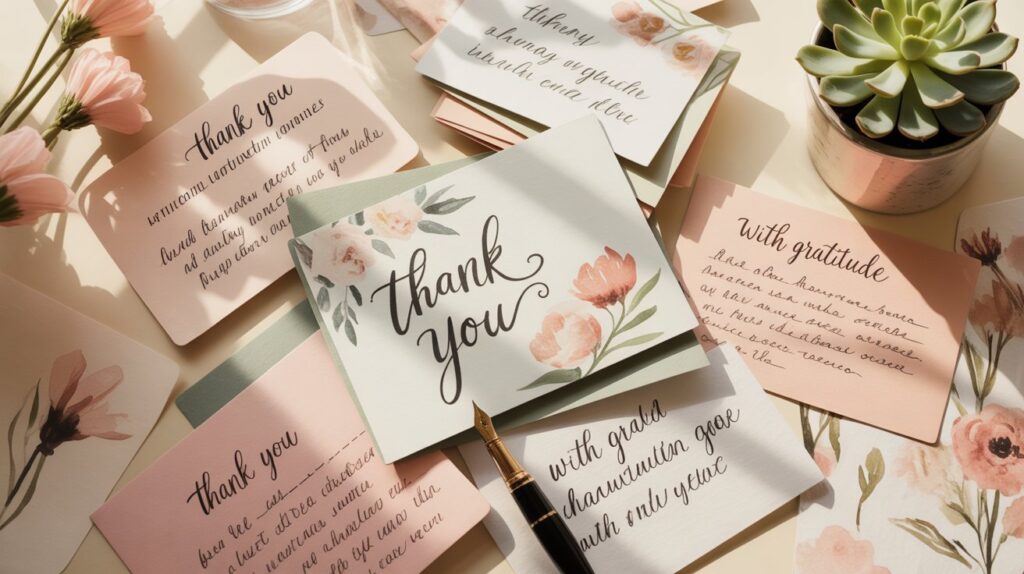
In today’s fast-paced digital world, small gestures often go unnoticed. However, something as simple as a thank you note can leave a lasting impact. Whether written for a friend, colleague, teacher, or family member, thank you notes are a powerful way to express gratitude and strengthen relationships. Despite their simplicity, many people either overlook them or struggle to write them effectively.
This article explores the importance of thank you notes, how to write them properly, examples for different situations, and common mistakes you should avoid.
Why Thank You Notes Matter
Thank you notes are more than just polite words—they reflect appreciation, respect, and emotional intelligence. When someone receives a thoughtful note, it makes them feel valued and recognized.
One major benefit is relationship building. Whether in personal or professional life, expressing gratitude creates trust and connection. In workplaces, sending thank you notes after interviews or team collaborations can improve your professional image.
Another advantage is emotional positivity. Writing and receiving gratitude messages boosts mood and promotes a sense of well-being. Studies show that gratitude practices can reduce stress and increase happiness.
However, the downside is that poorly written or generic notes may feel insincere. A simple “Thanks a lot” without context can come across as careless rather than meaningful.
How to Write a Perfect Thank You Note
Writing an effective thank you note doesn’t require fancy language—it requires sincerity. Here are simple steps to follow:
1. Start with a Greeting
Always address the person directly. Use their name to make the note personal.
Example:
Dear Ahmed,
2. Express Gratitude Clearly
Be specific about what you are thankful for.
Example:
Thank you for helping me complete the project on time.
3. Add Personal Touch
Mention how their action impacted you.
Example:
Your support made a stressful situation much easier to handle.
4. Close Warmly
End with a kind closing statement.
Example:
With gratitude,
Ahsan
Types of Thank You Notes
Thank you notes vary depending on the situation. Here are some common types:
1. Personal Thank You Notes
These are for friends and family. They are usually warm and emotional.
Example:
Thank you for always being there for me. Your support means everything.
2. Professional Thank You Notes
Used in workplaces or business settings. These should be polite and formal.
Example:
Thank you for the opportunity to interview for the position. I appreciate your time and consideration.
3. Gift Thank You Notes
Written after receiving gifts for birthdays, weddings, or special occasions.
Example:
Thank you for the beautiful gift. I truly loved it and will cherish it.
4. Event Thank You Notes
Sent after attending events or gatherings.
Example:
Thank you for inviting me to your event. It was a wonderful experience.
Creative Thank You Note Ideas
If you want your thank you note to stand out, consider adding creativity:
- Use handwritten notes instead of digital messages
- Add a meaningful quote
- Include a small drawing or design
- Personalize the message based on shared memories
These small touches make your note more memorable and meaningful.
Common Mistakes to Avoid
While writing thank you notes is simple, people often make mistakes that reduce their impact:
1. Being Too Generic
Avoid vague phrases like “Thanks for everything.” Always be specific.
2. Delayed Sending
A thank you note loses value if sent too late. Try to send it within a few days.
3. Overly Formal or Robotic Tone
Even in professional notes, avoid sounding too stiff. Keep it natural and genuine.
4. Ignoring Personalization
Copy-paste messages can feel impersonal. Tailor each note to the recipient.

Digital vs Handwritten Thank You Notes
In the modern age, people often prefer digital messages due to convenience. Emails and texts are quick and efficient, especially in professional settings.
However, handwritten notes carry more emotional value. They show effort and thoughtfulness, making them ideal for personal relationships or special occasions.
The best approach depends on the situation. For quick acknowledgments, digital works well. For meaningful gestures, handwritten notes are more impactful.
Final Thoughts
Thank you notes may seem small, but they hold great power. They build relationships, spread positivity, and show appreciation in a meaningful way. Whether personal or professional, taking a few minutes to write a thoughtful note can make a big difference.
The key is to be sincere, specific, and timely. Avoid common mistakes, add a personal touch, and choose the right format based on the situation.
In a world where people often forget to express gratitude, a simple thank you note can set you apart and leave a lasting impression.