



Pliers are one of the most essential hand tools used in households, workshops, and industries. Whether you are a professional electrician, mechanic, or a DIY enthusiast, pliers play a vital role in handling small objects, cutting wires, and performing various tasks with precision. This article provides a complete guide to pliers, including their types, uses, advantages, disadvantages, and maintenance tips.
What Are Pliers?
Tweezers are hand tools designed for gripping, bending, cutting, or holding objects firmly. They consist of two metal levers joined at a pivot point, with jaws at one end and handles at the other. The design allows users to apply force and control objects easily.
Tweezers are commonly used in electrical work, mechanical repairs, crafting, and general household tasks.
Common Types of Tweezers
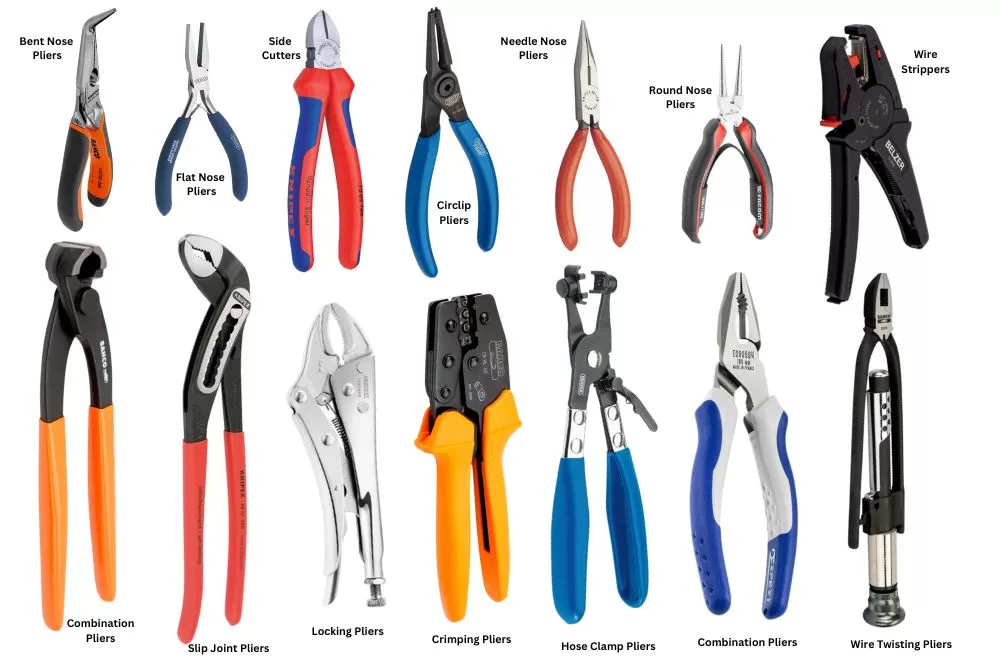
There are several types of Tweezers, each designed for specific tasks. Below are the most commonly used types:
1. Slip-Joint Pliers
These are adjustable pliers with a pivot point that can be moved to accommodate different sizes of objects. They are versatile and widely used for general purposes.
2. Needle-Nose Pliers
Also known as long-nose pliers, these have thin, pointed jaws that are ideal for reaching tight spaces and handling small components.
3. Cutting Pliers
These Tweezers are designed specifically for cutting wires and cables. They are commonly used by electricians.
4. Lineman’s Pliers
These are heavy-duty pliers used for gripping, twisting, and cutting wires. They are popular among electricians.
5. Locking Pliers
Also known as vise-grips, these pliers can lock onto objects, allowing users to work hands-free.
6. Tongue-and-Groove Tweezers
These pliers have adjustable jaws and are commonly used in plumbing tasks.
Uses of Tweezers
Tweezers are incredibly versatile tools with a wide range of applications:
- Gripping and holding objects securely
- Cutting wires and small metal pieces
- Bending and shaping materials
- Twisting wires together
- Pulling out nails or pins
- Working in tight or hard-to-reach spaces
Because of their multifunctional nature, Tweezers are a must-have tool in any toolkit.
Benefits of Using Tweezers
1. Versatility
Tweezers can perform multiple tasks, making them highly useful for both professionals and beginners.
2. Ease of Use
Their simple design allows anyone to use them with minimal effort.
3. Precision Handling
Tweezers provide excellent control, especially when working with small or delicate objects.
4. Durability
High-quality pliers are made from strong materials like steel, ensuring long-term use.
5. Wide Availability
Tweezers are easily available in different sizes and types, making them accessible to everyone.
Drawbacks of Tweezers
1. Limited Strength for Heavy Tasks
Tweezers are not suitable for heavy-duty tasks that require more powerful tools.
2. Risk of Injury
Improper use can lead to hand injuries, such as pinching or slipping.
3. Wear and Tear
Over time, the jaws and cutting edges may become dull or damaged.
4. Not Always Precise for Specialized Work
For certain tasks, specialized tools may perform better than general-purpose pliers.
5. Can Damage Soft Materials
Excessive pressure can damage delicate objects or surfaces.
Safety Tips When Using Tweezers
Using Tweezers safely is essential to avoid accidents:
- Always choose the right type of Tweezers for the task
- Wear protective gloves when necessary
- Keep your fingers away from the jaws
- Do not use pliers as a hammer
- Ensure the tool is in good condition before use
Maintenance Tips for Tweezers
Proper maintenance can extend the life of your tweezers:
1. Clean After Use
Remove dirt and grease to prevent corrosion.
2. Lubricate the Pivot
Apply oil to the pivot joint to keep it moving smoothly.
3. Store Properly
Keep Tweezers in a dry place to avoid rust.
4. Sharpen Cutting Edges
Maintain sharp cutting edges for better performance.
5. Inspect Regularly
Check for damage and replace worn-out Tweezers when necessary.
Conclusion
Tweezers are an indispensable tool for a wide range of tasks, from simple household repairs to professional work. Their versatility, ease of use, and durability make them a must-have in every toolbox. However, understanding their limitations and using them correctly is equally important.
By choosing the right type of Tweezers and maintaining them properly, you can ensure efficient performance and long-lasting use. Whether you are a beginner or an expert, Tweezers will always remain one of the most reliable tools in your collection.
Read More On Casa Blanca