




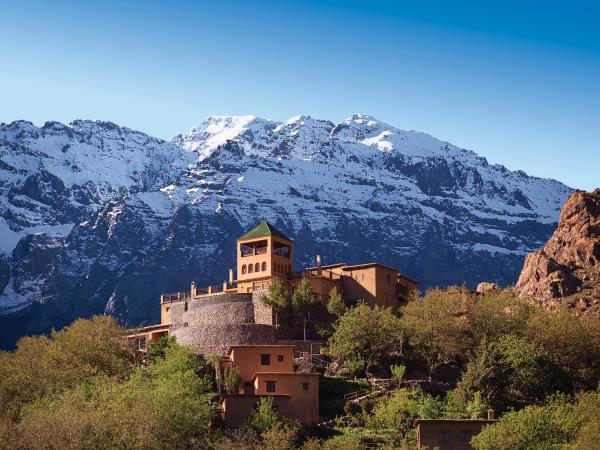
The Atlas Mountains are one of the most stunning and historically rich mountain ranges in the world. Stretching across several North African countries, they offer breathtaking landscapes, diverse ecosystems, and deep cultural heritage. From snow-capped peaks to desert valleys, the Atlas Mountains are a paradise for travelers, adventurers, and nature lovers.
Location and Geography
The Atlas Mountains extend across three main countries:
- Morocco
- Algeria
- Tunisia
This विशाल mountain system spans over 2,500 kilometers (1,600 miles), separating the Mediterranean coastline from the vast Sahara Desert. The range is divided into several sections, including the High Atlas, Middle Atlas, and Anti-Atlas.
Major Subranges of the Atlas Mountains
High Atlas
The High Atlas is the most famous and tallest section of the range. It is home to Mount Toubkal, which stands at 4,167 meters (13,671 feet). This area is popular for trekking and mountaineering.
Middle Atlas
Known for its lush forests, lakes, and wildlife, the Middle Atlas is quite different from the rugged High Atlas. It is home to cedar forests and Barbary macaques.
Anti-Atlas
The Anti-Atlas is the oldest part of the mountain range, characterized by rocky terrain and arid landscapes. It offers unique geological formations and quiet, less crowded destinations.
Climate and Natural Beauty
The Atlas Mountains experience a variety of climates:
- Snowfall in higher altitudes during winter
- Mild temperatures in valleys
- Dry and desert-like conditions near the Sahara
This diversity creates a rich environment with forests, rivers, and unique plant and animal species.
Cultural Significance
The Atlas Mountains are home to the indigenous Berber people, also known as Amazigh. Their traditions, languages, and lifestyles have been preserved for centuries.
Visitors can experience:
- Traditional villages
- Handmade crafts
- Local cuisine
- Unique cultural festivals
Tourism and Activities
Trekking and Hiking
The Atlas Mountains are a top destination for hikers. Trails range from beginner-friendly walks to challenging climbs like Mount Toubkal.
Skiing
Surprisingly, the region offers skiing opportunities in winter at resorts such as Oukaïmeden.
Cultural Tours
Travelers can explore Berber villages and experience authentic North African culture.
Wildlife Watching
The Middle Atlas is known for its biodiversity, including monkeys, birds, and rare plant species.
Economic Importance
The Atlas Mountains play a vital role in:
- Agriculture (fertile valleys)
- Water supply for nearby regions
- Tourism industry growth
Why the Atlas Mountains Are Unique
- They form a natural barrier between the Sahara Desert and coastal regions
- Rich blend of cultures and traditions
- Diverse landscapes within a single mountain system
- Home to North Africa’s highest peak
Conclusion
The Atlas Mountains are more than just a geographical feature—they are a symbol of natural beauty, cultural richness, and adventure. Whether you are seeking thrilling hikes, cultural experiences, or peaceful landscapes, this iconic mountain range offers something for everyone. Exploring the Atlas Mountains is truly a journey into the heart of North Africa.
Read More On Casa Blanca