




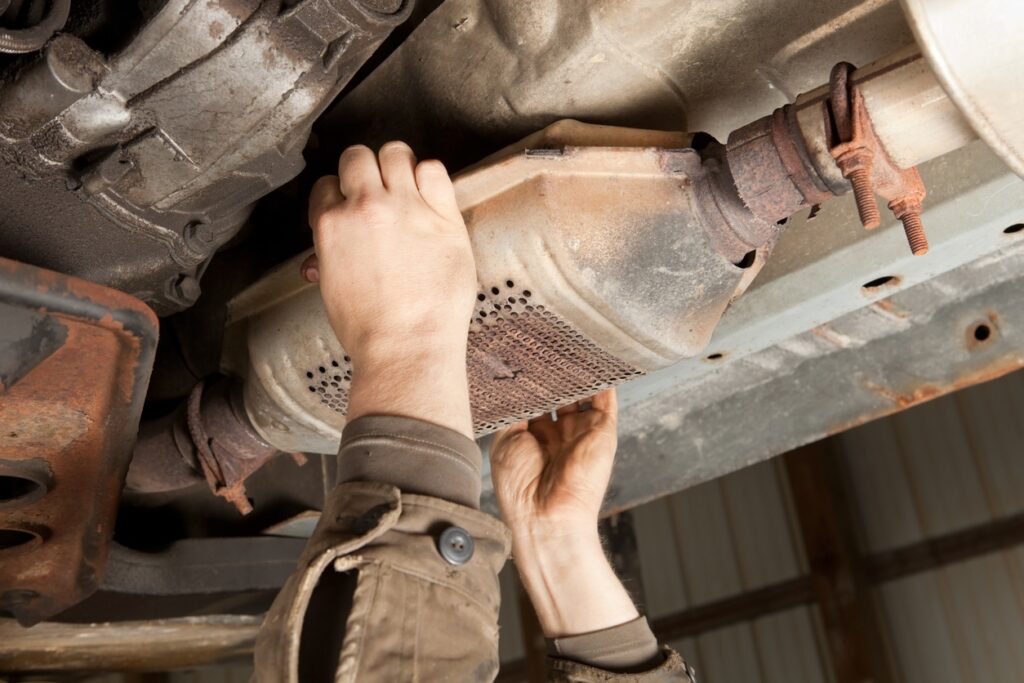
A catalytic converter is one of the most important components in a modern vehicle’s exhaust system. It plays a crucial role in reducing harmful emissions and protecting the environment. While it offers many benefits, there are also some drawbacks that vehicle owners should understand. In this article, we will explore what a catalytic converter is, how it works, its advantages, disadvantages, and maintenance tips.
What Is a Catalytic Converter?
A converter is a device installed in a vehicle’s exhaust system. Its primary function is to convert harmful gases produced during combustion into less harmful substances before they are released into the atmosphere.
Vehicles produce toxic gases such as carbon monoxide (CO), nitrogen oxides (NOx), and hydrocarbons (HC). The catalytic converter transforms these gases into safer emissions like carbon dioxide (CO₂), nitrogen (N₂), and water vapor (H₂O).
How Does a Catalytic Converter Work?
The converter uses a chemical reaction to clean exhaust gases. Inside the converter, there is a honeycomb structure coated with precious metals like platinum, palladium, and rhodium. These metals act as catalysts.
When exhaust gases pass through the converter:
- Carbon monoxide is converted into carbon dioxide
- Nitrogen oxides are broken down into nitrogen and oxygen
- Unburned hydrocarbons are converted into carbon dioxide and water
This process significantly reduces the harmful impact of vehicle emissions on the environment.
Types of Catalytic Converters
There are mainly three types of catalytic converters used in vehicles:
1. Two-Way Catalytic Converter
This type focuses on converting carbon monoxide into carbon dioxide and oxidizing hydrocarbons.
2. Three-Way Converter
This is the most common type in modern vehicles. It performs three functions:
- Reduces nitrogen oxides
- Oxidizes carbon monoxide
- Converts hydrocarbons
3. Diesel Oxidation Catalyst
Used in diesel engines, this type helps reduce carbon monoxide and hydrocarbons but works differently compared to gasoline engine converters.
Benefits of a Catalytic Converter
1. Reduces Air Pollution
The biggest advantage of a catalytic converter is its ability to reduce harmful emissions. It plays a major role in improving air quality and protecting the environment.
2. Improves Public Health
By lowering toxic gases, catalytic converters help reduce respiratory problems and other health issues caused by air pollution.
3. Legal Requirement
In many countries, having a catalytic converter is mandatory. Vehicles without it may fail emission tests and face legal penalties.
4. Supports Environmental Protection
Catalytic converters help reduce greenhouse gases, contributing to efforts against climate change.
5. Enhances Engine Efficiency
A properly functioning catalytic converter can help maintain optimal engine performance by ensuring efficient exhaust flow.
Drawbacks of a Catalytic Converter
1. Expensive Replacement
Converters are costly due to the use of precious metals. Replacing one can be expensive for vehicle owners.
2. Risk of Theft
Because of their valuable metals, converters are often targeted by thieves. This has become a growing problem worldwide.
3. Performance Issues When Clogged
If the converter becomes clogged, it can reduce engine performance, decrease fuel efficiency, and cause overheating.
4. Sensitive to Fuel Quality
Poor-quality fuel or engine problems can damage the converter over time, reducing its effectiveness.
5. Limited Lifespan
Although durable, catalytic converters do not last forever. They typically need replacement after several years of use.
Signs of a Failing Converter
Recognizing early signs can save you from costly repairs. Common symptoms include:
- Reduced engine performance
- Decreased fuel efficiency
- Check engine light turning on
- Rattling noises from the exhaust
- Strong sulfur or “rotten egg” smell
If you notice any of these signs, it is important to have your vehicle inspected by a professional.
Maintenance Tips for Converter
To extend the life of your catalytic converter, follow these tips:
1. Use High-Quality Fuel
Always use recommended fuel to prevent contamination and damage.
2. Fix Engine Issues Quickly
Problems like misfires or oil leaks can harm the converter. Address them immediately.
3. Regular Vehicle Maintenance
Routine servicing helps ensure the entire exhaust system works efficiently.
4. Avoid Short Trips Frequently
Short trips may not allow the converter to reach its optimal temperature, reducing its efficiency over time.
5. Prevent Physical Damage
Avoid driving over rough terrain that could damage the exhaust system.
Conclusion
The converter is an essential part of modern vehicles, playing a key role in reducing harmful emissions and protecting the environment. Its benefits, such as improved air quality and compliance with legal standards, make it indispensable. However, drawbacks like high replacement costs and potential performance issues cannot be ignored.
Read More On Casa Blanca