




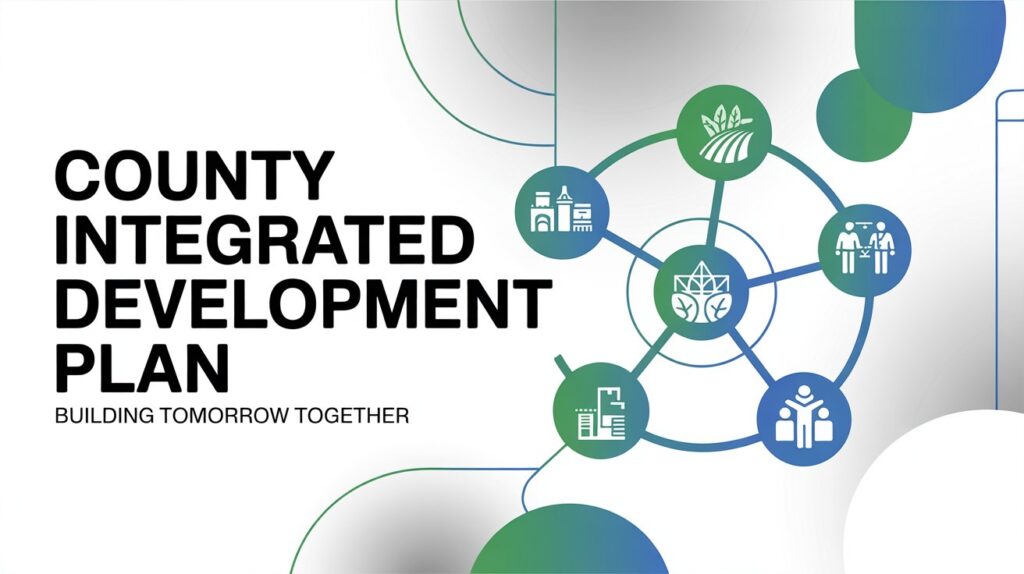
A County Integrated Development Plan (CIDP) is a strategic framework used by local governments to guide development, allocate resources, and improve the quality of life for residents. It plays a crucial role in shaping economic growth, infrastructure, and social services over a defined period—typically five years.
In today’s fast-changing world, a well-structured County Integrated Development Plan ensures that development is inclusive, sustainable, and aligned with long-term goals.
What is a County Integrated Development Plan?
A County Integrated Development Plan is a comprehensive document that outlines a county’s development priorities, policies, and projects. It integrates various sectors such as:
- Infrastructure development
- Healthcare services
- Education systems
- Agriculture and food security
- Economic growth and employment
The CIDP acts as a roadmap for governance, ensuring that all development initiatives are coordinated and efficient.
Importance of a County Integrated Development Plan
A well-designed County Integrated Development Plan is essential for effective governance and development. Here’s why it matters:
1. Strategic Planning
CIDPs help counties set clear goals and prioritize projects that bring maximum impact.
2. Resource Allocation
They ensure proper use of financial, human, and natural resources.
3. Public Participation
Citizens are involved in identifying needs and shaping development priorities.
4. Transparency and Accountability
CIDPs make it easier to track progress and hold leaders accountable.
5. Sustainable Development
They promote environmentally friendly and long-term growth strategies.
Key Components of a County Integrated Development Plan
A strong County Integrated Development Plan typically includes the following sections:
1. Situational Analysis
This section evaluates the current status of the county, including:
- Population demographics
- Economic activities
- Infrastructure status
- Environmental conditions
2. Vision and Mission
Defines the long-term aspirations and purpose of the county government.
3. Development Priorities
Identifies key areas that need attention, such as:
- Roads and transport
- Water and sanitation
- Health services
- Education
4. Implementation Framework
Outlines how projects will be executed, including timelines and responsibilities.
5. Monitoring and Evaluation
Provides mechanisms to assess progress and ensure goals are achieved.
Steps in Developing a County Integrated Development Plan
Creating an effective County Integrated Development Plan involves several stages:
1. Data Collection and Analysis
Gathering accurate data helps identify real needs and challenges.
2. Stakeholder Engagement
Involving community members, businesses, and organizations ensures inclusivity.
3. Priority Setting
Projects are selected based on urgency, impact, and available resources.
4. Drafting the Plan
The plan is compiled into a structured document.
5. Approval and Implementation
Authorities review, approve, and begin executing the plan.

Benefits of a County Integrated Development Plan
Implementing a County Integrated Development Plan brings numerous advantages:
- Improved service delivery
- Better infrastructure development
- Increased investment opportunities
- Enhanced economic growth
- Reduced poverty levels
It also ensures that development efforts are coordinated and not duplicated, saving both time and money.
Challenges in Implementing CIDPs
Despite their importance, counties often face challenges such as:
- Limited funding
- Political interference
- Lack of accurate data
- Weak monitoring systems
- Low public participation
Addressing these issues is key to successful implementation.
Best Practices for an Effective CIDP
To maximize impact, counties should follow these best practices:
- Use data-driven decision-making
- Encourage active public participation
- Ensure transparency in budgeting
- Regularly monitor and evaluate progress
- Align with national and global development goals
Conclusion
A County Integrated Development Plan is more than just a document—it is a powerful tool for transforming communities and driving sustainable development. By integrating various sectors and focusing on long-term goals, CIDPs help counties achieve balanced growth and improved living standards.