

Casablanca is the largest city in Morocco and one of the most important economic and cultural centers in North Africa. Located on the Atlantic coast, Casablanca is known for its modern skyline, historic architecture, vibrant culture, and strong business environment. Over the years, the city has grown into a major hub for commerce, tourism, and international trade.
In this article, we explore the history, culture, attractions, and global importance of Casablanca.
The History of Casablanca
Casablanca has a long and fascinating history that dates back centuries. Originally known as Anfa, the city was a small Berber settlement before becoming an important port. In the 15th century, the area was destroyed by the Portuguese and later rebuilt as a fortified town.
During the early 20th century, Casablanca developed rapidly under French colonial influence. Modern infrastructure, wide boulevards, and European-style buildings were introduced during this period. After Morocco gained independence in 1956, Casablanca continued to expand and eventually became the country’s economic capital.
Today, the city represents a blend of traditional Moroccan heritage and modern urban development.
Casablanca as Morocco’s Economic Capital
Although the political capital of Morocco is Rabat, Casablanca serves as the financial and commercial center of the country.
Many international corporations, banks, and industries operate in Casablanca. The city also hosts the Casablanca Finance City, a major financial center designed to attract global investors and businesses to Africa.
Key industries in Casablanca include:
- Finance and banking
- Shipping and logistics
- Manufacturing
- Tourism
- Technology and services
The city’s large port is one of the busiest in Africa, playing a vital role in international trade.
Famous Landmarks in Casa Blanca
Casablanca offers several iconic landmarks that attract visitors from around the world.
Hassan II Mosque
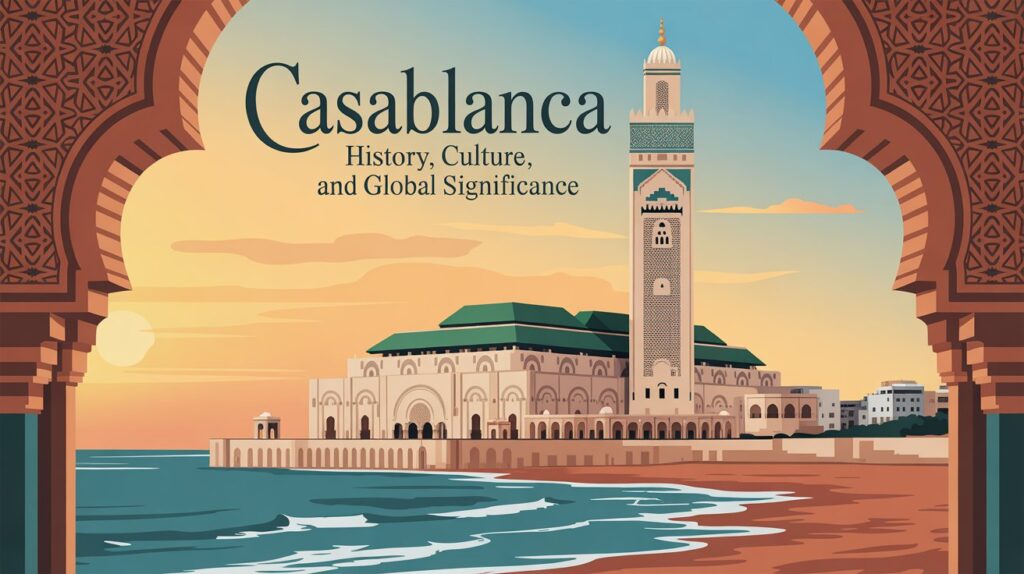
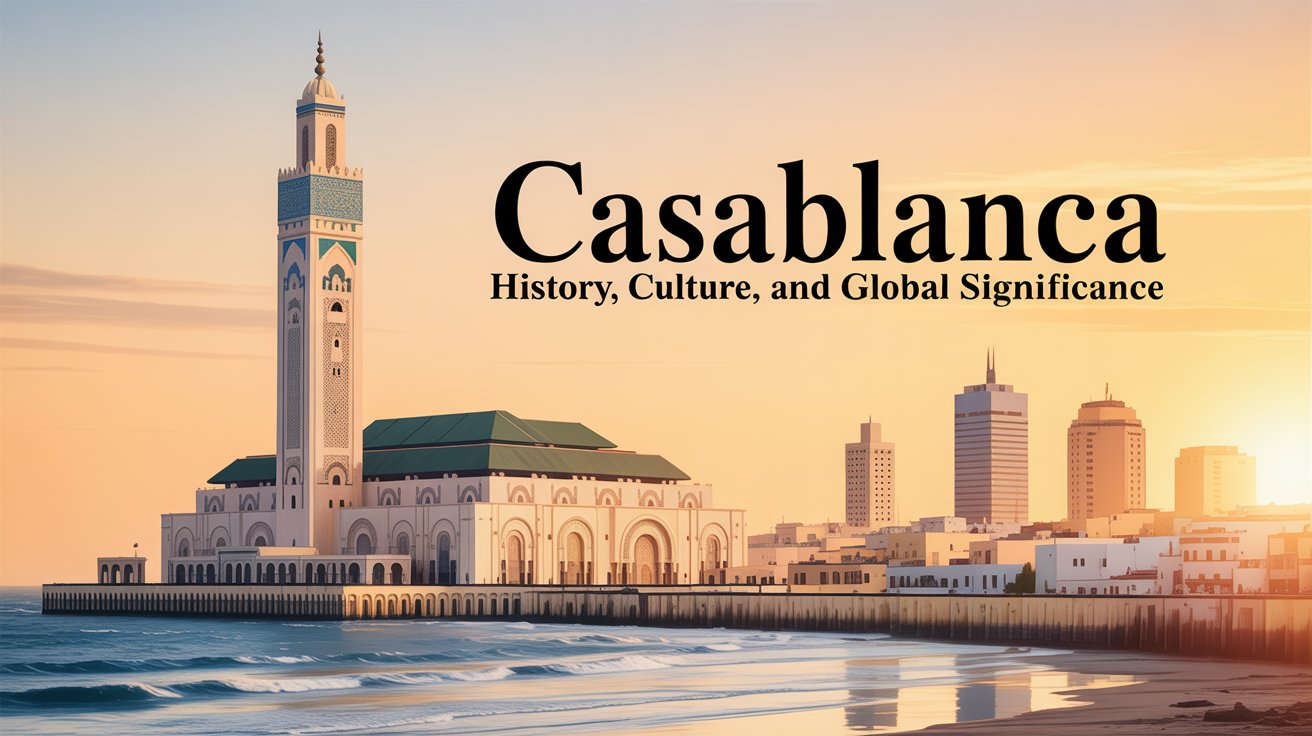
Hassan II Mosque is one of the largest mosques in the world and the most famous landmark in Casablanca. Built partly over the Atlantic Ocean, it features a stunning design, intricate Moroccan craftsmanship, and the tallest minaret in Africa.
The mosque can accommodate more than 100,000 worshippers and is one of the few mosques in Morocco open to non-Muslim visitors for guided tours.
Casablanca Corniche
The Corniche is a popular seaside area filled with beaches, restaurants, cafes, and luxury hotels. It is a favorite place for both locals and tourists to relax and enjoy the Atlantic Ocean views.
Old Medina
Casa Blanca’s Old Medina offers a glimpse into the city’s traditional past. Visitors can explore narrow streets, small markets, and local shops selling crafts, clothing, and Moroccan goods.
Casa Blanca in Popular Culture
Casa Blanca gained worldwide fame because of the classic Hollywood film Casa Blanca starring Humphrey Bogart and Ingrid Bergman. The movie, released in 1942, became one of the most iconic films in cinema history.
Although much of the film was shot in Hollywood studios, it helped introduce the name “Casa Blanca” to audiences around the world and contributed to the city’s international recognition.
Culture and Lifestyle in Casa Blanca
Casa Blanca is known for its vibrant and diverse culture. As a modern metropolitan city, it combines traditional Moroccan customs with contemporary influences.
Visitors can experience:
- Moroccan cuisine such as tagine and couscous
- Traditional markets (souks)
- Modern shopping malls
- Art galleries and cultural events
- Music and nightlife
The city also reflects Morocco’s multicultural identity, blending Arab, Berber, French, and international influences.
Tourism and Travel
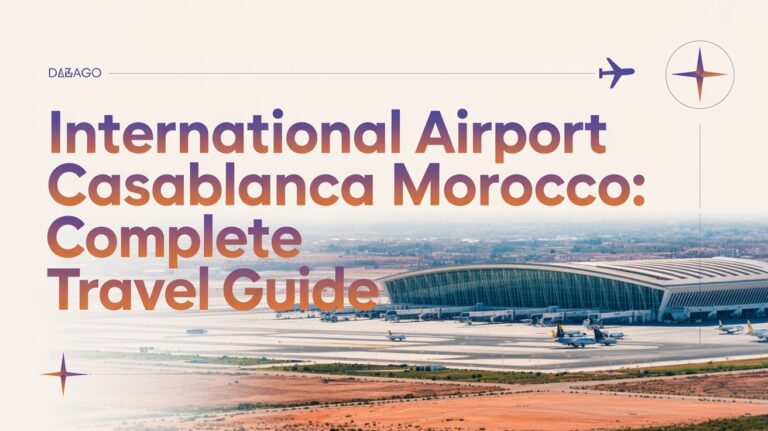
Casa Blanca is often the first destination for international visitors arriving in Morocco because of Mohammed V International Airport, the country’s busiest airport.
From Casablanca, travelers can easily explore other famous Moroccan cities such as:
- Marrakech
- Fes
- Tangier
These destinations offer historical landmarks, traditional markets, and unique cultural experiences.
Why Casablanca Is Important
Casa Blanca plays a crucial role in Morocco’s development and global presence. The city is a center of trade, culture, and tourism, attracting millions of visitors and business professionals each year.
Its combination of modern architecture, historical heritage, and coastal beauty makes it one of the most dynamic cities in Africa.
Conclusion
Casa Blanca stands as a symbol of Morocco’s growth, culture, and international influence. From its historic roots and famous landmarks to its thriving economy and vibrant lifestyle, the city offers something for everyone.
Whether you are interested in history, architecture, culture, or business, Casa Blanca remains one of the most fascinating cities in North Africa and a key destination for travelers exploring Morocco.